Non-Warrantable Condo Mortgages in New Jersey: What Buyers and Sellers Need to Know About the New 2026 Guidelines

Derek Doernbach, Realtor®
Published September 21, 2026 · 10 min read
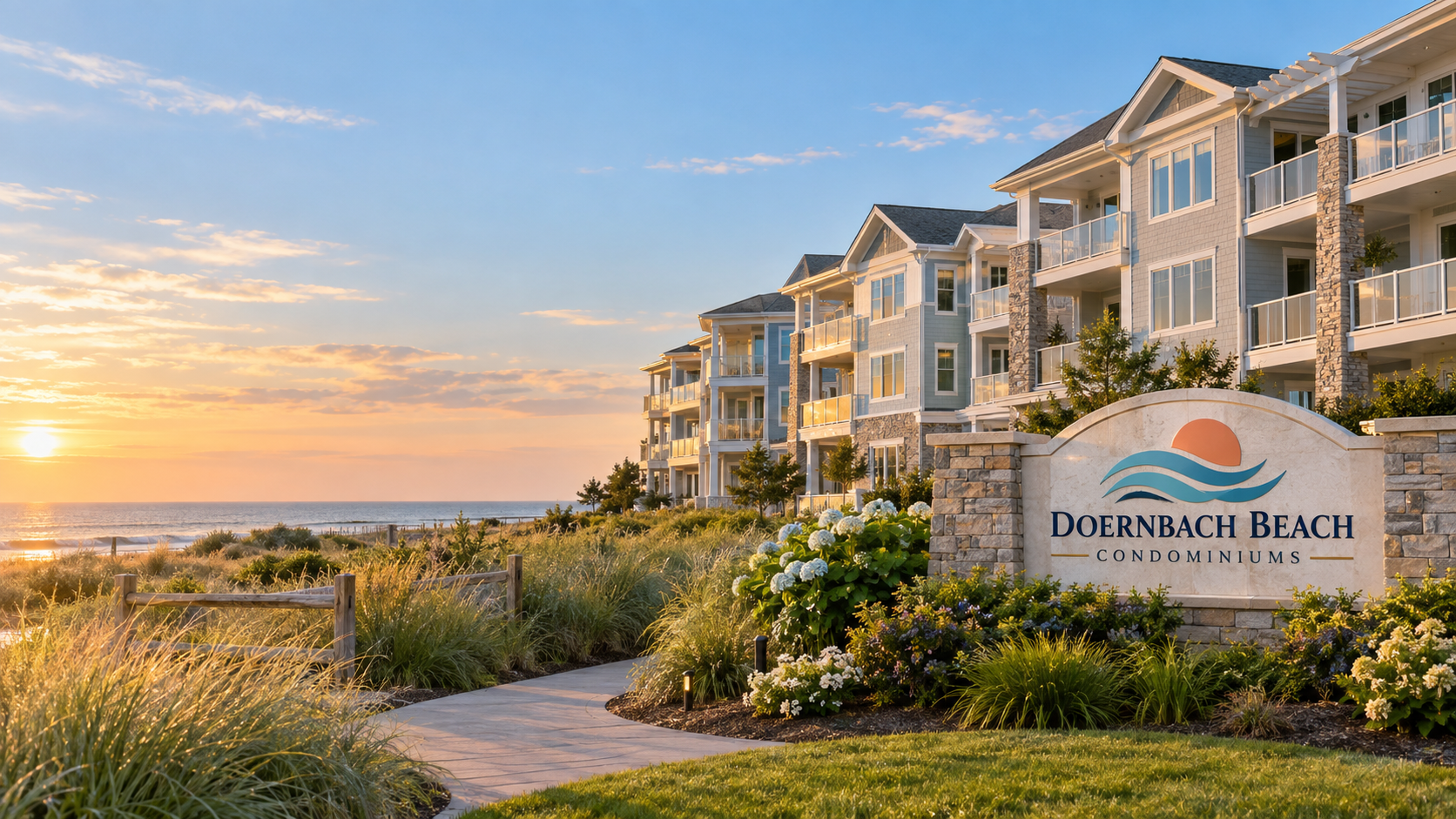
Buying a condominium in New Jersey involves an additional layer of mortgage approval that does not normally apply when purchasing a traditional single-family home.
The lender must approve both:
- The individual borrower; and
- The condominium project or association.
A buyer can have excellent credit, sufficient income and a strong down payment—and still encounter a financing problem because of the condominium association's finances, insurance, physical condition, ownership structure or governing documents.
These properties are often described as "non-warrantable condos."
The issue became even more important on August 3, 2026, when updated Fannie Mae and Freddie Mac condominium-review guidelines took effect for applicable new mortgage applications.
For specialized condo-financing guidance, I recommend working with Brian Homowitz of CrossCountry Mortgage. Brian and his team created MyCondoReview.com (https://mycondoreview.com/) to help buyers, sellers and real estate professionals identify potential condominium financing problems earlier in the transaction.
What Is a Warrantable Condo?
A warrantable condo is a condominium unit located within a project that meets the applicable eligibility requirements established by Fannie Mae or Freddie Mac.
Fannie Mae and Freddie Mac do not normally originate mortgages directly for consumers. Instead, they purchase eligible loans from mortgage lenders. For a conventional condo mortgage to be eligible for sale to one of these organizations, the borrower and the condominium project must satisfy the applicable guidelines.
The review may consider matters such as:
- The condominium association's operating budget
- Financial reserves for future repairs
- Delinquent HOA assessments
- Pending or active litigation
- Special assessments
- Required structural repairs or deferred maintenance
- The association's master insurance policies
- Commercial space within the project
- Investor ownership and rental concentration
- Ownership of multiple units by one person or company
- Short-term rental activity
- Whether the project is complete and controlled by the unit owners
- Restrictions contained in the association's governing documents
A project does not become warrantable merely because another unit in the development previously received conventional financing. Eligibility can change as budgets, insurance policies, litigation, repairs and other project conditions change.
What Is a Non-Warrantable Condo?
A non-warrantable condo is a unit located in a condominium project that does not satisfy the applicable Fannie Mae or Freddie Mac project requirements.
This does not necessarily mean the condominium is unsafe, undesirable or a bad investment. It also does not mean financing is always impossible.
It means that a standard conventional loan intended for sale to Fannie Mae or Freddie Mac may not be available under the circumstances. The buyer may need a lender offering a portfolio or specialty non-warrantable condo loan.
These alternative mortgage programs may have different:
- Down-payment requirements
- Interest rates
- Credit-score standards
- Debt-to-income limits
- Reserve requirements
- Occupancy restrictions
- Documentation requirements
- Loan limits
Terms vary considerably among lenders and programs. Buyers should obtain loan-specific information from a qualified mortgage professional rather than assuming that one lender's decision will be the same as another's.
What Changed on August 3, 2026?
For applicable conventional mortgage applications dated on or after August 3, 2026, Fannie Mae retired its Limited Review process and Freddie Mac eliminated its comparable Streamlined Review option.
Limited Review previously allowed certain transactions to receive a more abbreviated examination of the condominium project when requirements such as occupancy and loan-to-value limits were satisfied.
The elimination of that review path means that a large down payment alone can no longer be relied upon to avoid closer scrutiny of the condominium association.
Depending on the property and transaction, the available path may now involve:
- A Full Project Review
- An eligible waiver of project review
- An established project approval
- A different loan program
- A portfolio or non-warrantable condo mortgage
It would be inaccurate to say that every condominium purchase automatically requires the identical full review. The proper review path depends on the project, transaction, loan program and lender.
However, the practical message for New Jersey buyers and sellers is clear: the condominium association's records, financial condition, insurance and physical condition can play a much larger role in whether a buyer receives mortgage approval.
Why Were the Condo Mortgage Guidelines Changed?
Condominium lending guidelines have become more focused on building safety, deferred maintenance, insurance coverage and the financial ability of an association to complete necessary repairs.
A buyer is not purchasing only the interior of a condo unit. The buyer is also becoming financially connected to the association responsible for maintaining common elements such as:
- Roofs
- Exterior walls
- Foundations
- Balconies
- Elevators
- Hallways
- Parking facilities
- Swimming pools
- Clubhouses
- Plumbing and electrical systems
- Other shared structures and amenities
If an association has insufficient reserves, significant deferred maintenance or inadequate insurance, unit owners may face increased dues or substantial special assessments. Those conditions can also affect financing and future resale opportunities.
Fannie Mae explains that its condominium requirements are intended to address financial and safety risks, including unresolved critical repairs, inadequate insurance coverage and poor project financial health. Its official Condo Status Finder (https://singlefamily.fanniemae.com/condo-status-finder) allows authorized condominium associations, management companies and advisors to investigate certain project-status information.
Common Reasons a New Jersey Condo May Be Non-Warrantable
A condominium project can encounter eligibility problems for many different reasons. Some of the more common issues include:
Inadequate Master Insurance
The association's insurance may not provide the coverage or policy terms required by the lender or mortgage program.
This has become a major issue for some condo associations because of rising insurance costs, exclusions, high deductibles and difficulty obtaining sufficient coverage.
Critical Repairs or Deferred Maintenance
Known structural or safety problems can affect project eligibility, particularly when necessary work has not been completed or adequately funded.
The lender may request engineering reports, inspection reports, board meeting minutes and documentation showing the scope and status of repairs.
Insufficient Financial Reserves
The lender may examine whether the association is setting aside sufficient money for long-term repairs and replacement of common components.
A low monthly HOA fee may look attractive to a buyer, but it can be a warning sign if the association is not adequately preparing for future expenses.
Pending Litigation
Litigation involving the association does not automatically make every project ineligible. The lender will generally need to understand the nature of the lawsuit, the potential financial exposure and whether insurance is expected to cover the claim.
Excessive HOA Delinquencies
If too many unit owners are behind on their assessments, it may indicate financial instability within the association.
Major Special Assessments
A special assessment is not automatically disqualifying. The lender may examine why it was imposed, how much remains unpaid, whether unit owners can afford it and whether the underlying repair has been completed.
Excessive Commercial Use
Projects with a substantial amount of commercial or nonresidential space may not satisfy standard conventional financing requirements.
Ownership or Rental Concentration
A project may have eligibility concerns when one investor owns too many units, when rental activity is unusually high or when the development operates more like a hotel or short-term rental property than a residential condominium.
Incomplete or Newly Converted Projects
New construction, unfinished developments and recently converted condominium projects may be subject to additional requirements concerning completion, control of the association, sales and occupancy.
What Is MyCondoReview.com?
MyCondoReview.com (https://mycondoreview.com/) is a resource from the Brian Homowitz Team designed to make condominium transactions easier and help identify financing concerns earlier.
According to its condo-review intake instructions, the review process may involve obtaining documents such as:
- The condominium association's current budget
- A current balance sheet
- Certificates of insurance
- Additional association and project information
Brian Homowitz is an Originating Branch Manager with CrossCountry Mortgage in Union, New Jersey, and is identified by CrossCountry Mortgage under NMLS #413782. His experience with condominium-project reviews makes him an important resource for buyers and real estate professionals navigating both warrantable and non-warrantable condo financing.
You can learn more about Brian through his official CrossCountry Mortgage profile (https://crosscountrymortgage.com/union-nj-3456/brian-homowitz/) or begin the review process at MyCondoReview.com (https://mycondoreview.com/).
Why Buyers Should Investigate Condo Financing Before Making an Offer
A general mortgage preapproval evaluates the borrower. It does not necessarily mean that every condo the buyer selects will qualify for the proposed financing.
Before making an offer, buyers should ask their lender:
- Does my preapproval include condominium financing?
- Does the lender offer both warrantable and non-warrantable condo loans?
- Has this particular condominium project already been reviewed?
- What association documents will be required?
- Are there known project-eligibility concerns?
- How long will the condo-review process take?
- Could a special assessment or insurance issue affect approval?
- What financing alternatives exist if the project is non-warrantable?
Whenever possible, the condo project should be investigated before the buyer spends money on inspections, an appraisal and other transaction costs.
What New Jersey Condo Sellers Should Do
Sellers should not wait until a buyer is deep into the mortgage process to learn that the association has a financing concern.
Before listing a condo, the seller can gather available information concerning:
- Current monthly HOA fees
- Pending fee increases
- Current or proposed special assessments
- Recent association budgets
- Known litigation
- Major repair projects
- Insurance changes
- Board meeting minutes
- Rental restrictions
- Age or occupancy restrictions
- Association management contact information
The seller may not control the association or its records, but early preparation can prevent avoidable delays.
A seller should also avoid advertising a condo as "Fannie Mae approved," "Freddie Mac approved" or "warrantable" without current, reliable confirmation. Project eligibility can change, and the final determination belongs to the lender and applicable mortgage program.
Can You Still Finance a Non-Warrantable Condo?
Yes, financing may still be available.
Some banks, credit unions, mortgage companies and private lenders offer portfolio or specialty loans for non-warrantable condominium projects. Because these loans may not be sold to Fannie Mae or Freddie Mac, the lender establishes its own risk and underwriting requirements.
Available options depend on:
- The reason the project is non-warrantable
- The borrower's credit and finances
- The planned occupancy
- The down payment
- The unit's value
- The association's overall condition
- The lender's particular program
The reason for the ineligibility matters. An experienced condo lender may be able to identify whether the problem can be corrected, whether a different review path is available or whether a specialty loan program should be considered.
A Non-Warrantable Condo Is Not Automatically a Bad Condo
"Non-warrantable" is a mortgage eligibility classification—not a complete judgment about the quality or value of the property.
However, buyers should understand why the project received that classification.
An issue involving investor concentration may present different risks than an unresolved structural repair, inadequate master insurance or a financially distressed association. Buyers should review the relevant documents with their lender, real estate attorney, insurance professional, home inspector and other qualified advisors.
The objective is not simply to find a lender willing to close the loan. It is to understand the financial and physical condition of the association before becoming one of its members.
Work With a Realtor and Lender Who Understand Condo Transactions
Condominium purchases require coordination between the buyer, real estate agent, lender, attorney, insurance professionals, association and property-management company.
Early communication is more important than ever under the condominium financing guidelines effective August 3, 2026.
If you are considering buying or selling a condo in Atlantic County, Cape May County, Ocean County, Cumberland County or elsewhere in South Jersey, I can help you evaluate the real estate side of the transaction and coordinate with an experienced mortgage professional.
For condominium mortgage and project-review guidance, contact Brian Homowitz of CrossCountry Mortgage or visit MyCondoReview.com (https://mycondoreview.com/).
Frequently Asked Questions
What does non-warrantable condo mean?
A non-warrantable condo is located within a project that does not satisfy the applicable Fannie Mae or Freddie Mac project requirements. A standard conventional loan may not be available, but portfolio or specialty financing may still be possible.
Did condo mortgage rules change on August 3, 2026?
Yes. For applicable applications dated on or after August 3, 2026, Fannie Mae eliminated its Limited Review process and Freddie Mac retired its comparable Streamlined Review option.
Does every condo now require a Full Project Review?
Not necessarily. The appropriate review depends on the project, transaction, loan program and whether another approval or waiver path applies. Buyers should have the lender determine the correct review method.
Can I buy a non-warrantable condo in New Jersey?
Potentially, yes. Some lenders offer portfolio and specialty non-warrantable condo mortgages. The available terms depend on the borrower and the reason the project does not meet standard guidelines.
Will a larger down payment make a condo warrantable?
No. A larger down payment may help a borrower qualify for certain financing, but it does not correct problems involving the condominium project's insurance, finances, litigation, repairs or other eligibility requirements.
Is a non-warrantable condo a bad investment?
Not automatically. Buyers should investigate the specific reason for the classification and consider how it could affect financing, insurance, assessments, monthly expenses and future resale.
When should the lender review the condo project?
As early as possible—preferably before the buyer incurs significant expenses and, when feasible, before the offer is finalized. A borrower preapproval is not the same as approval of the condominium project.
Ready to Buy or Sell a New Jersey Condo?
Condo financing can be complicated, but early research can prevent unpleasant surprises later.
Contact Derek Doernbach and Your Jersey Shore Team for assistance buying or selling a condominium in South Jersey.
For specialized condominium financing and project-review guidance, visit MyCondoReview.com (https://mycondoreview.com/) or contact Brian Homowitz of CrossCountry Mortgage.
Official Condo-Financing Resources
For additional information about condominium-project eligibility and mortgage reviews, consult these resources:
- Fannie Mae condominium and project-eligibility guidance
- Fannie Mae Condo Status Finder
- Freddie Mac condominium project requirements
- MyCondoReview.com from the Brian Homowitz Team
- Brian Homowitz's official CrossCountry Mortgage profile
Important disclosure: Derek Doernbach is a licensed real estate professional, not a mortgage lender. Mortgage programs, interest rates, eligibility standards, down-payment requirements and condominium-review guidelines are subject to change. Financing is subject to borrower, property, project and lender approval. Buyers should consult a licensed mortgage professional for loan-specific information. CrossCountry Mortgage, LLC, NMLS #3029. Brian Homowitz, NMLS #413782. Equal Housing Opportunity.
If you are considering buying or selling a condo in Atlantic County, Cape May County, Ocean County, Cumberland County or elsewhere in South Jersey, I can help you evaluate the real estate side of the transaction and coordinate with an experienced mortgage professional. Let's talk about your situation.
Derek Doernbach, Realtor®
Century 21 Action Plus Realty | Your Jersey Shore Team
Derek has been helping South Jersey families buy and sell homes since 2016. He has closed 192 transactions and earned the New Jersey Realtors® Circle of Excellence Award every year since 2019. He helps condo buyers and sellers throughout Atlantic County and the Jersey Shore understand the real estate side of the transaction and coordinate with experienced mortgage professionals. Licensed in New Jersey (1645208).